Freestanding frames and stand structures: modular image walls for trade shows and events
At a trade show, in a showroom, at a conference or a corporate event, visual impact is decisive. Within seconds, visitors need to understand who you are, what you offer and why they should stop at your stand. To catch their attention, companies need communication media that are visible, high-quality, easy to install and able to adapt to different spaces.
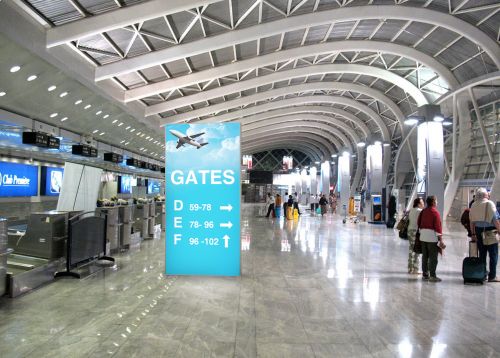
That is exactly what freestanding frames and stand structures are for. These solutions let you create modular image walls, large-format POS displays, stand dressing or visual dividers without relying solely on an existing wall.
With its fabric tensioning systems, Isermatic helps professionals design indoor and outdoor communication media for trade shows, events, retail outlets and exhibition spaces.
What is a freestanding frame?
A freestanding frame is a structure designed to stand on its own, fully or partly, without the need for conventional wall mounting. It holds a printed fabric taut on an aluminium frame to create a large-format visual that is rigid, stable and attractive.
Unlike a standard poster or banner stand, a freestanding frame offers a more premium finish. The fabric is perfectly taut, the visual is sharper and the structure can be tailored to the size of the project.
This type of display is particularly used for:
- trade shows;
- event stands;
- reception areas;
- showrooms;
- retail spaces;
- exhibitions;
- museums;
- conferences;
- product launches;
- temporary or permanent communication areas.
To explore the dedicated solutions, Isermatic offers a specific range of freestanding frames for different formats and uses.
Why use a modular image wall at a trade show or event?
At a professional event, visibility is often a major challenge. Visitors are exposed to countless messages, stands and displays. To stand out, you need clear, readable display that is consistent with your brand image.
A modular image wall does just that. It structures a space, showcases a visual identity and turns a simple pitch into a genuine communication medium.
Instant visibility
A large-format image wall naturally draws the eye. It makes a brand visible from a distance and creates a landmark in what is often a very busy space.
With tensioned fabric, the visual looks clean, with no visible creases, and shows off the graphic elements: logo, slogan, product visual, sales message or brand world.
A solution that adapts to every space
Trade shows and events often come with constraints: stand size, available height, visitor flow, position of partitions, need for quick dismantling or reuse.
Freestanding frames and stand structures let you create modular solutions designed to work around these constraints. Depending on the project, an image wall can be single-sided, double-sided, suspended, floor-standing or built into a larger structure.
A reusable display
The structure can be kept and reused across several events. Only the printed fabric needs replacing, depending on the message, campaign or show.
This makes it an attractive solution for companies that regularly attend professional events and want a durable, high-quality and adaptable display.
Freestanding frames: what are the advantages for event communication?
Freestanding frames offer several advantages for brands, agencies, installers, stand builders and visual communication professionals.
A premium finish
Fabric tensioning gives a sharp, professional finish. The visual blends perfectly into the structure, with no warping and none of the cheap look of makeshift displays.
For a stand, a showroom or a reception area, this quality instantly enhances how the brand is perceived.
Great freedom of format
Freestanding frames can meet a wide variety of needs: small format, large format, image wall, space divider, stand backdrop, temporary dressing or permanent display.
Isermatic’s ranges of frames and structures make it possible to work on very large formats, with solutions suited to both indoor and outdoor communication.
Installation that adapts to site constraints
Depending on the venue, the display can be floor-standing, fixed, suspended or built into a supporting structure. This flexibility is a major asset for events, where technical constraints vary widely from one site to another.
Easily refreshed communication
Changing the fabric lets you update the message without replacing the whole structure. A company can adapt its image wall to a new campaign, a new product, new brand guidelines or a new trade show.
Stand structures: a practical solution for standalone displays
A stand structure is essential when a display needs to stand on its own. It stabilises a frame, lightbox or image wall without relying on an existing wall.
This type of structure is particularly useful when you want to:
- create a stand backdrop;
- mark out a space;
- guide visitors;
- install temporary signage;
- showcase a product;
- create a visual divider;
- have a double-sided display.
At a trade show, a stand structure gives the visual height and presence. It turns a simple printed fabric into a genuine piece of event architecture.
Which freestanding frames should you choose?
The choice of freestanding frame depends above all on where it will go, how many sides will be visible, the size of the visual and the impact you want. For indoor use with sewn-piping tensioned fabric, there are three main options: the single-sided frame, the double-sided frame and the illuminated frame.
In practice: choose a single-sided frame when people will mainly look at it from one side, a double-sided frame to communicate in two directions, and a backlit model when the message needs extra visibility.
The single-sided freestanding frame for one-way communication
A single-sided frame is particularly suited to spaces where visitors arrive from one main direction: reception, showroom, shop, exhibition space or stand.
For this type of layout, the IC 27 frame is a versatile solution. Its sturdy profile is designed to take printed textiles with sewn piping. It can be installed suspended only, using the dedicated accessories. Stiffeners can also be added for large-format projects.
This solution is particularly suitable when the goal is to:
- create a communication medium independent of a wall;
- structure a space or mark out different areas;
- replace the visual easily without changing the whole structure.
The double-sided freestanding frame for visibility in both directions
In an aisle, a hall, a trade show or a circulation area, a single-sided display can quickly reach its limits. A double-sided freestanding frame uses both sides of the structure to show two messages, or the same visual in two directions.
The ICD 44 frame meets this need for everyday projects. On stands, it can reach 2.30 m high; in a suspended version, up to 3 m. It is also available with a smooth edge to meet specific aesthetic requirements.
For very large formats, the ICD 80 frame is the better choice. Its 80 mm depth gives it greater rigidity, while its reinforced profile is specifically designed for large-scale projects.
The choice between the two therefore depends mainly on the size of the project: the ICD 44 for a versatile double-sided structure, the ICD 80 when sturdiness becomes the priority.
The illuminated freestanding frame for maximum visual impact
In a busy or competitive environment, backlighting draws more attention and strengthens a visual’s presence. This solution is particularly relevant in shops, showrooms, reception areas and event spaces.
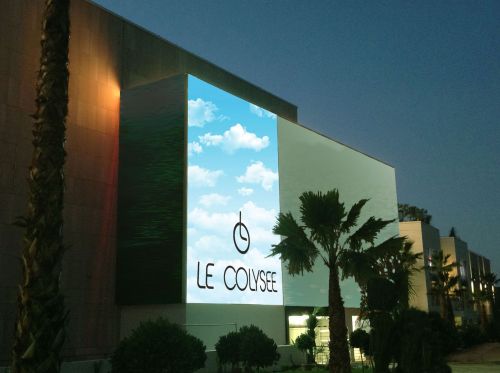
The IC 100 lightbox combines a large-format tensioned fabric with LED lighting. It can be installed on stands, fixed to a wall or suspended. Its edge lighting is designed to spread light evenly across the visual.
This type of frame is the one to choose when the display needs to:
- grab attention instantly;
- showcase an image, a product or a premium campaign;
- stay visible in a visually crowded space.
Which freestanding frame is right for your project?
To sum up, the choice mainly depends on how it will be used:
The IC 27 frame suits single-sided, mobile communication. The ICD 44 frame is the one to choose when the display must be visible from both sides. The ICD 80 handles the demands of very large formats, while the IC 100 adds the visual power of backlighting.
Beyond the format, you also need to consider the layout of the venue, the direction of visitor flow, how often the visuals will be replaced and the reading distance. Looking at these criteria helps you choose a structure that is sturdy enough without needlessly oversizing the frame.
Single-sided or double-sided image wall: which should you choose?
The choice between a single-sided and a double-sided image wall depends on visitor flow and where the display will stand.
The single-sided image wall
Single-sided is suitable when the visual is placed against a wall, at the back of a stand or facing a main walkway. It focuses the message in one specific direction.
It is a good choice for:
- a stand backdrop;
- wall cladding;
- a photo area;
- a product presentation area;
- communication facing the entrance of a show.
The double-sided image wall
Double-sided is recommended when the display can be seen from both sides. It is particularly useful in trade show aisles, central areas, halls and circulation spaces.
It maximises visibility and makes the most of the available space, especially when visitors can arrive from several directions.
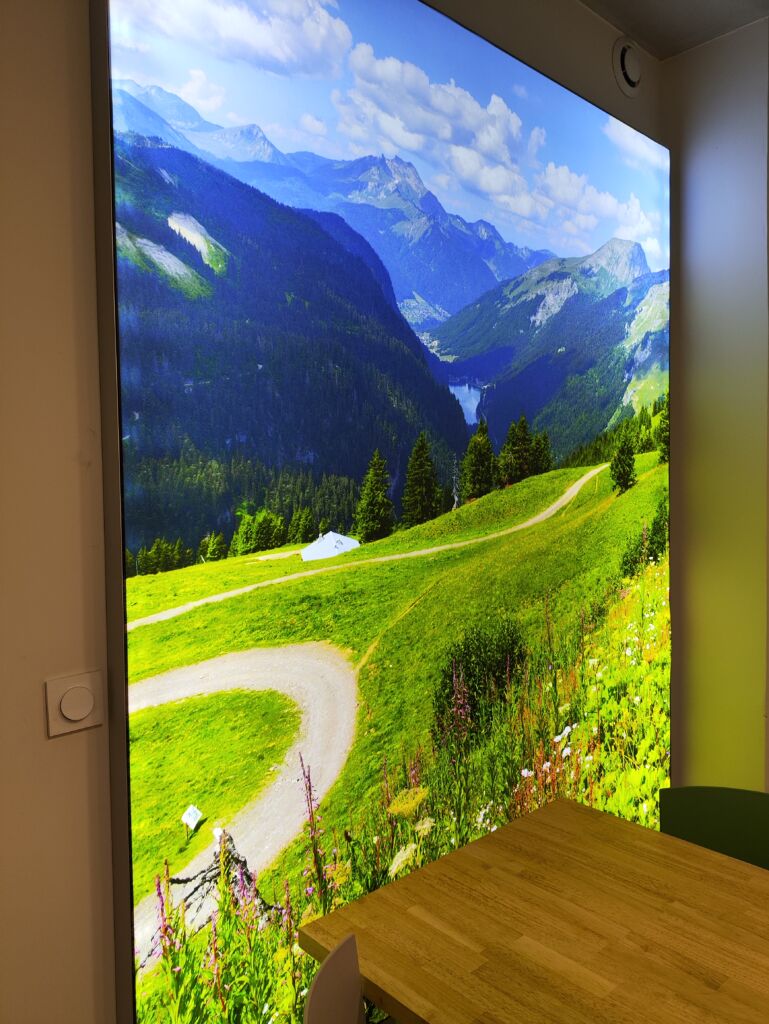
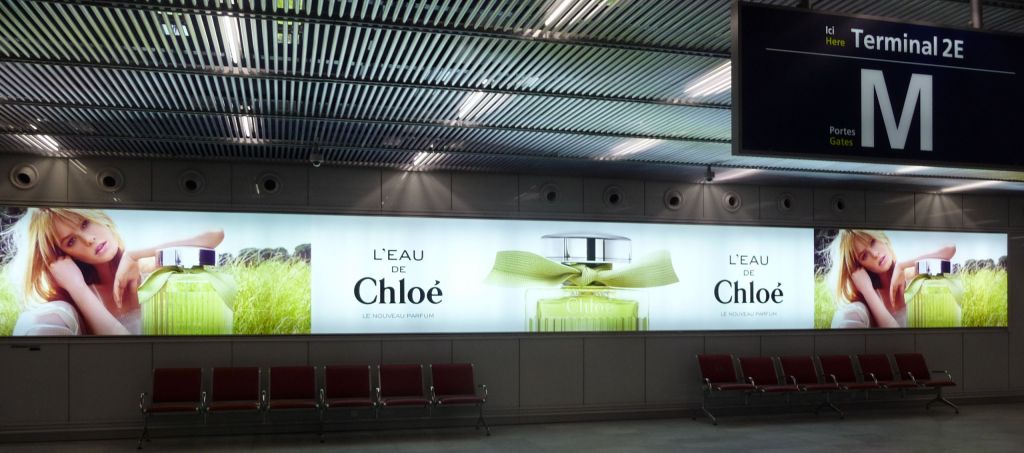
For some projects, lightboxes can also boost the impact of the visual, especially in settings where visibility needs to stay strong day and night.
Freestanding frames for trade shows
Trade shows are demanding environments. Set-up time is often limited, visual competition is fierce and every square metre has to work hard.
Freestanding frames are an effective answer to these constraints. They let you quickly create a recognisable, consistent and impactful space.
An image wall can, for example, be used to:
- present a brand;
- showcase an offer;
- create a stand set;
- structure a reception area;
- dress a demonstration area;
- create a photo or interview area;
- boost a stand’s visibility in an aisle.
Isermatic also offers solutions designed for trade shows, helping companies turn their events into real brand showcases.
Freestanding frames for POS and retail
Beyond trade shows, modular image walls are also very useful in retail. They can highlight a sales promotion, stage a brand world or dress a temporary space.
In a shop, a corner or a showroom, a freestanding frame can be used to:
- present a new collection;
- flag up a promotion;
- dress an indoor shop window;
- create an immersive space;
- separate two areas;
- keep the customer journey visually consistent.
For indoor communication and display projects, frames and lightboxes let you create custom displays tailored to the setting and the visual identity of the venue.
Tensioned fabric and push-fit piping: a reliable system for image walls
The quality of an image wall depends largely on the tension of the fabric. A poorly tensioned fabric spoils the visual, looks unprofessional and weakens the message.
The push-fit piping system holds the fabric in a tension groove for a clean, stable and long-lasting finish. The fabric clips into the frame, giving a sharp finish and keeping the visual securely in place.
This method is particularly suited to large-format displays, long-term installations and projects that need a polished visual finish.
How do you choose a freestanding frame for an event?
Several criteria need to be taken into account to choose the right solution.
The installation site
An indoor trade show, a reception area, a showroom and an outdoor space do not have the same constraints. You need a system that suits the intended environment.
The size of the visual
The size of the image wall directly affects the choice of frame, profile and stand structure. Large formats need a suitable design to guarantee stability and tension quality.
How long it will be used
A display for a one-off event does not have the same requirements as a recurring or permanent installation. Modularity and reuse of the structure can then become important criteria.
The visibility you want
If the display needs to be seen from afar, a large format or a lightbox may be the better option. If it is meant to guide people or structure a space, a more understated freestanding frame may be enough.
How often the visuals need changing
For companies that change their campaigns regularly, it is essential to choose a structure that makes it easy to replace the printed fabric.
A modular solution to strengthen your brand image
Freestanding frames and stand structures are more than just displays. They help stage the brand, organise the space and raise the perceived quality of the communication.
At a trade show, in a shop or at a corporate event, they help create a strong, consistent and memorable visual world.
With Isermatic fabric tensioning systems, professionals have modular, sturdy and attractive solutions for designing image walls that suit their communication projects.
FAQ
Does a lightbox use a lot of electricity?
Not at all. Thanks to low-energy LEDs, our lightboxes deliver powerful brightness at a very low energy cost. It is a sustainable solution that keeps you visible day and night without driving up your bills.
Can the visual be changed without replacing the lightbox?
That is the whole point of Isermatic technology! With our sewn or push-fit piping systems, you can order a new fabric and install it yourself in a few minutes. It is the ideal way to adapt your communication to the seasons.
Do lightboxes stand up well to bad weather outdoors?
Yes, our IP67 outdoor lightboxes are built with aluminium profiles (rust-proof) and water- and dust-tight components. They are tested to withstand wind, rain and UV, so your visual stays taut and vivid even after several years outdoors.
Do you offer custom sizes for specific projects?
Absolutely. Whether it is a small format for a reception desk or a monumental sign several metres wide, we manufacture 100% customisable structures. Our team helps you define the dimensions and mounting method (wall-mounted, suspended or on a stand) to suit your space.